Puerto Rico travel guide
Best Snorkeling in Puerto Rico: Beaches and Boat Trips
Compare Puerto Rico snorkeling in Culebra, Fajardo, Aguadilla, Vieques and La Parguera, including shore access versus guided boat trips.
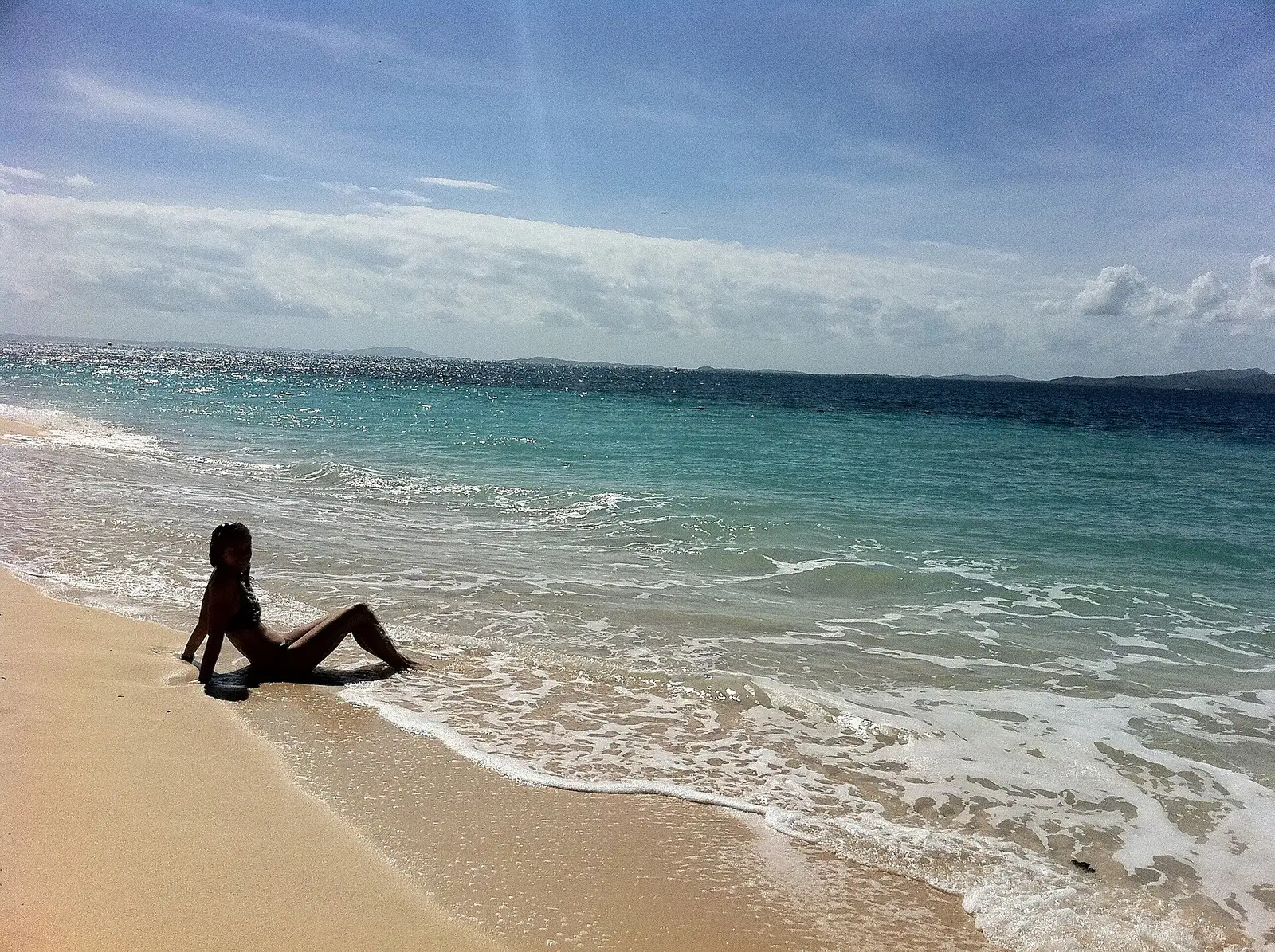
Puerto Rico offers two very different kinds of snorkeling: walk-in beach snorkeling and boat trips to reefs, cays and offshore islands.
The best choice depends on your route and confidence in the water.
For a first trip, Culebra and the Fajardo/east-coast cays are the strongest snorkeling-focused destinations. Aguadilla, Vieques and La Parguera can also be excellent when they already fit your itinerary.
Quick comparison
| Area | Best for | Access |
|---|---|---|
| Culebra | Reef-focused island stay | Beach + boat |
| Fajardo/Icacos | Guided catamaran day | Boat |
| Aguadilla/Crash Boat | Casual west-coast snorkeling | Shore |
| Vieques | Snorkeling within an island stay | Shore + boat |
| La Parguera | Southwest cays and channels | Mostly boat |
Do not cross Puerto Rico simply because one beach has a strong snorkeling reputation. The best snorkeling is often the good water you can reach naturally from the region you are already visiting.
Culebra: the strongest snorkeling island
Culebra is one of Puerto Rico's clearest snorkeling choices.
Current Puerto Rico tourism guidance highlights Tamarindo and Carlos Rosario for reef life and also notes the protected marine environment around the island. Culebra's surrounding cays add more boat-access snorkeling possibilities.
Choose Culebra when snorkeling is important enough to justify ferry, flight or tour logistics.
An overnight gives you the flexibility to choose a beach according to conditions instead of forcing all snorkeling into one day.
Start with the full Culebra guide and Flamenco Beach before deciding how much island time you want.
Fajardo and the Cordillera cays
Fajardo is the easiest place to book a classic snorkeling boat day.
The nearby cays and reef systems include Icacos and other offshore areas reached by catamaran, charter or smaller guided boats.
Current tourism guidance describes Fajardo as one of Puerto Rico's main snorkeling departure areas and emphasizes catamaran access to reefs and cays.
This is the best option when you want:
- equipment included;
- a captain/crew selecting a suitable location;
- beach plus reef time;
- a structured day on the water.
See Fajardo snorkeling tours for the booking decision.
Icacos: snorkeling plus beach
Icacos works well when you want snorkeling to be one part of a broader boat-and-beach day.
Some tours snorkel at a reef before moving to a sandy cay.
That is often better than assuming the water directly beside the beach is the day's best snorkeling location.
Choose Icacos for convenience from Fajardo and a relaxed tropical-water experience.
Choose Culebra when the snorkeling destination itself is worth the longer trip.
Crash Boat and Aguadilla
Crash Boat Beach can offer enjoyable casual snorkeling when west-coast water conditions are calm and clear.
The advantage is simple shore access.
You do not need to commit to a half-day boat excursion just to spend time in the water.
The disadvantage is variability. Northwest swell can change the experience substantially.
If the water is rough or visibility is poor, do not force snorkeling because the beach appears on a list.
Vieques
Vieques is better known for wild beaches and Mosquito Bay, but snorkeling can be part of a multi-day island stay.
Current tourism guidance highlights La Chiva among the island's snorkeling-friendly beaches when conditions cooperate.
Vieques becomes a good snorkeling destination when you already want:
- a two- or three-night island stay;
- beach hopping;
- wildlife-refuge scenery;
- Mosquito Bay.
It is usually not worth traveling to Vieques solely for one snorkeling session.
La Parguera
La Parguera's mangrove cays, shallow channels and offshore areas create a different snorkeling environment from Culebra or Fajardo.
Boat access is a major part of the experience.
Current tourism guidance continues to identify the La Parguera Nature Reserve as a snorkeling and diving area with operators serving reefs, coves and cays.
This is strongest when the southwest is already in your route.
Pair it with La Parguera rather than treating it as a long day from San Juan.
Shore snorkeling or boat snorkeling?
Choose shore snorkeling when:
- you already have gear;
- the beach has appropriate access;
- conditions are calm;
- you value flexibility;
- snorkeling is only part of the day.
Choose a boat trip when:
- you want reef/cay access;
- equipment and guidance are useful;
- you want multiple stops;
- the boat experience is part of the appeal;
- you want the crew to adapt the location to conditions.
A paid tour is not inherently better; it is valuable when it gives you access you cannot easily reproduce from shore.
Beginners
Beginners should prioritize conditions and support over famous reef names.
A calm, clear shore entry can be better than a dramatic offshore site if you are uncomfortable in open water.
For boat tours, check:
- swimming requirements;
- flotation devices;
- ladder entry;
- crew assistance;
- minimum age;
- whether a non-snorkeler can remain aboard.
Tell the crew honestly about your comfort level.
Snorkeling with children
Choose easy water access and conservative conditions.
Do not assume a beach described as "family-friendly" is calm every day.
Children should remain closely supervised and use flotation appropriate to their ability.
For a boat tour, boat stability, shade and the ability to opt out of a water stop may matter more than the most impressive reef.
Sea turtles and wildlife
Seeing a turtle is possible in several Puerto Rico snorkeling areas, but it should never be treated as guaranteed.
Do not chase, touch or block marine animals.
Give turtles room to surface and move away.
A snorkeling trip is better when wildlife encounters happen naturally rather than when swimmers crowd an animal for a photograph.
Protect the reef
Coral is living habitat.
Do not stand on it, kick it with fins or collect pieces.
Use enough buoyancy and distance that you are not repeatedly touching the bottom.
Current Puerto Rico tourism guidance specifically reminds snorkelers to avoid touching coral in protected marine environments.
When is snorkeling best?
Calm water and good visibility matter more than a fixed calendar promise.
Season, wind direction, storms and local swell affect different coasts in different ways.
If snorkeling is a major trip goal:
- build more than one possible water window;
- ask operators about same-day conditions;
- avoid forcing a reef plan during rough weather;
- choose another region/activity when the sea is wrong.
Flexibility often creates a better experience than booking every water hour months in advance.
What to bring
For shore snorkeling:
- well-fitting mask/snorkel;
- fins if appropriate;
- sun protection;
- water;
- secure storage for keys/phone;
- footwear for hot or rough approaches.
For guided tours, check what equipment is included before packing your own.
Avoid taking expensive gear into the water merely because you own it.
Best snorkeling for a one-week trip
A simple first-trip strategy is:
- choose one snorkeling-focused water day;
- use Fajardo/Icacos if your trip is San Juan + east;
- choose Culebra if the island is a major priority;
- use Crash Boat if the west is already part of the route;
- use La Parguera if the southwest is already part of the route.
Then let other beach stops remain flexible.
Compare best boat tours in Puerto Rico and best beaches in Puerto Rico before booking. Snorkeling should improve your route, not force you to redesign the entire vacation around one patch of reef.
Keep planning
Build the rest of your Puerto Rico trip
Use the core planning guides to connect where you stay, what you do and the day trips that are worth the travel time.