Puerto Rico trip planner
One Week in Puerto Rico: A Complete 7-Day Itinerary
Plan one week in Puerto Rico with a realistic seven-day route combining San Juan, El Yunque, the east coast, beaches and an optional island escape.
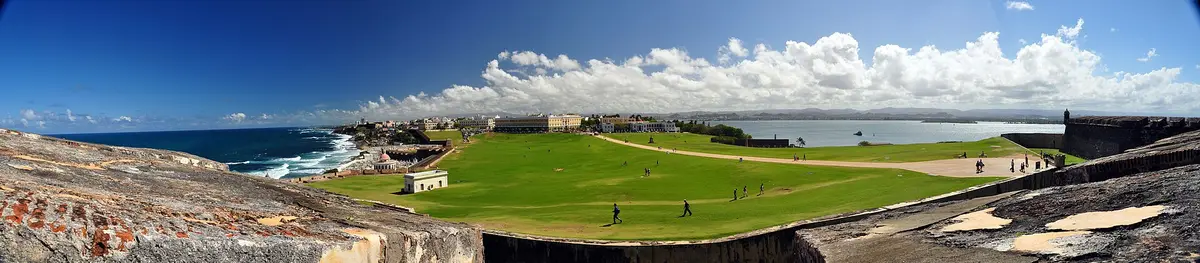
Seven days is enough time to see several sides of Puerto Rico without turning the trip into a race. The strongest first-week plan combines San Juan, El Yunque and the east coast, at least one serious beach day, and enough unplanned time to enjoy the places between the headline sights.
The mistake to avoid is trying to “do the whole island” in a week. Puerto Rico is compact enough for road trips, but traffic, mountain roads, ferries and activity schedules add friction. A better first visit uses one or two bases and chooses a small number of high-value excursions.
If you are still choosing trip length, start with how many days in Puerto Rico. For a shorter trip use the 3-day itinerary; for a broader multi-base trip use 10 days in Puerto Rico.
If you are still deciding where to sleep, start with where to stay in Puerto Rico. Families can use Puerto Rico with kids to simplify bases, beaches and activity choices. If transport is the bigger question, read getting around Puerto Rico.
One week in Puerto Rico at a glance
| Day | Base | Main plan |
|---|---|---|
| 1 | San Juan | Arrive, settle in and explore Old San Juan |
| 2 | San Juan | Forts, streets, food and a San Juan beach or neighborhood |
| 3 | San Juan/east | El Yunque National Forest |
| 4 | East coast | Fajardo, Luquillo or an east-coast boat/snorkeling day |
| 5 | East or island | Culebra/Vieques day trip, or a slower beach day |
| 6 | Flexible | San Juan, west-coast detour or another booked experience |
| 7 | San Juan | Easy final morning and departure buffer |
This route is deliberately flexible. Weather, sea conditions and availability matter more in Puerto Rico than a rigid seven-day checklist.
Days 1–2: start in San Juan
San Juan is the easiest place to begin because it gives you history, restaurants, beaches and a large share of Puerto Rico's most useful arrival infrastructure in one area.
On day 1, keep the plan simple. Walk Old San Juan, get your bearings and avoid placing a major timed excursion immediately after your flight. The historic district is compact enough to explore on foot, but the heat and slopes make it feel larger than a map suggests.
Day 2 is the right time for a fuller San Juan day. Combine Old San Juan with the fortifications at San Juan National Historic Site, then choose a second focus: food, Condado, a beach, Santurce or a guided experience.
Our San Juan guide explains how the city fits into a wider Puerto Rico trip, while things to do in San Juan is the better page when you are choosing specific activities.
Day 3: El Yunque
El Yunque is one of the clearest reasons to leave the metro area. The forest is northeast of San Juan and works either as an independent driving day or as a guided excursion.
Do not plan it as if every trail and recreation site is permanently open. The U.S. Forest Service manages capacity and posts active closures, and some trails can remain unavailable after storm or infrastructure damage. Check the current Forest Service alerts before you go.
The main recreation corridors currently do not require the old reservation system, but parking and access are still finite. If you are driving yourself, an early start gives you more flexibility.
If you do not want to rent a car, a permitted guided trip is often the easier option. See our El Yunque guide for the practical differences.
Day 4: make the east coast useful
The east is not just a route to the rainforest. Fajardo and the surrounding coast are gateways to cays, snorkeling, kayaking and boat trips.
For an activity-heavy trip, this is where Puerto Rico becomes especially strong. A boat day to a cay, a snorkeling trip or an evening bioluminescent-bay outing can each justify the east coast on their own.
If you prefer an easier day, Luquillo can pair a beach stop with food and a shorter travel schedule. If you are considering sleeping in the east, compare it with San Juan before booking: the east is better for outdoor access, while San Juan is stronger for urban evenings and car-free convenience.
Day 5: Culebra, Vieques or no island at all
Culebra and Vieques are both compelling, but they are not interchangeable and neither should be forced into every seven-day trip.
Culebra is the more obvious choice for travelers focused on Flamenco Beach, clear water and snorkeling. Vieques is better suited to travelers who want a quieter island stay and, especially, the Mosquito Bay bioluminescent experience.
Ferries depart from Ceiba, not central San Juan. Current Puerto Rico Ferry routes connect Ceiba with both islands, and schedules can change. If you choose a ferry-based day trip, build the day around the transport rather than assuming it behaves like a city metro.
Read Culebra vs Vieques before choosing. A day trip can work, but an overnight stay is often more relaxed.
Day 6: use the flexible day wisely
Do not pre-book every day before you have a weather forecast.
Your sixth day can absorb whatever the week needs:
- a second San Juan day;
- a beach day after a busy excursion;
- a boat or snorkeling trip that had better conditions later in the week;
- a food-focused day;
- a west-coast detour if you deliberately built the trip around driving;
- a rest day after several early starts.
This buffer is one of the biggest advantages of a full week. It also reduces the temptation to keep an expensive activity booking in conditions that make it less enjoyable.
Day 7: keep departure day light
Use the final day for a neighborhood walk, breakfast, a beach near your base or something you missed earlier.
Do not place a ferry, long cross-island drive or high-consequence timed activity immediately before your flight. Even when distances look short, traffic and weather can create delays.
Should you rent a car for this itinerary?
For a San Juan-heavy trip, you may not need a car every day. Rideshare, taxis and walking cover many metro-area needs, and guided excursions can remove the need to drive to El Yunque or the east coast.
For an island road trip, west-coast stay or independent exploration outside San Juan, a car becomes much more useful.
A practical compromise is to spend the first part of the trip in San Juan without a car, then rent one only for the days when you actually need it.
See getting around Puerto Rico before booking.
Choose one signature bookable experience for your week
Puerto Rico offers many organized activities, but your itinerary benefits from choosing one or two that genuinely require guidance or special access rather than filling every free block. Examples include San Juan turtle snorkeling for a short urban water experience, El Yunque waterslide tours for adventurous river terrain, or Arenales Caves and Charco Azul for a dedicated cave-and-river outing.
For a cultural activity that fits between city sightseeing and dinner, try a San Juan salsa lesson. Each choice solves a different travel goal; none is a required part of a seven-day trip. Reserve time for transfers, weather changes and a day that is deliberately less structured.
What to book first
Book the parts of the trip that have limited capacity or control the rest of your schedule:
- accommodation;
- any must-do guided activity;
- island transport if Culebra or Vieques is essential;
- rental car for the specific days you need it;
- everything else around those fixed points.
We do not recommend filling the week with paid activities. The best schedule usually mixes bookable experiences with free or low-friction time in San Juan, on beaches and in local communities.
For the bigger picture, continue with First Time in Puerto Rico, the Puerto Rico travel guide, best things to do in Puerto Rico and the Puerto Rico map.
Keep planning
Build the rest of your Puerto Rico trip
Use the core planning guides to connect where you stay, what you do and the day trips that are worth the travel time.