Puerto Rico travel guide
Cabo Rojo Guide: Beaches, Cliffs and Southwest Puerto Rico
Plan Cabo Rojo for Playuela, the lighthouse, salt flats, beaches and a southwest Puerto Rico road-trip stop.
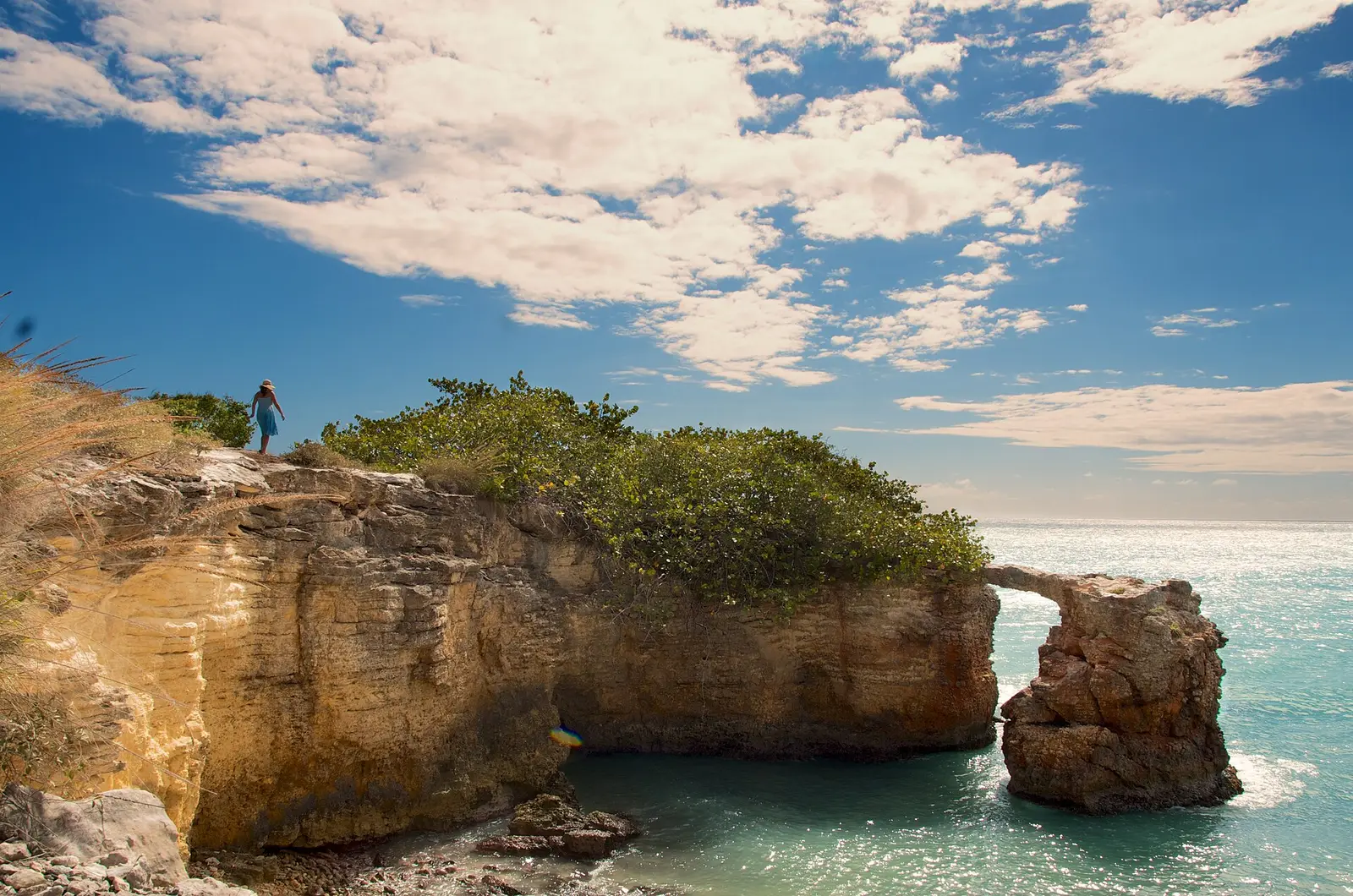
Cabo Rojo is one of the best reasons to include Puerto Rico's southwest in a road trip.
The area combines limestone cliffs, salt flats, wildlife refuge, lighthouse views and Caribbean beaches in a way that feels very different from San Juan or the wetter northeast.
It works best when you give the southwest a full daylight day rather than arriving only for sunset.
Why visit Cabo Rojo?
The main reasons are:
- Cabo Rojo National Wildlife Refuge;
- Los Morrillos lighthouse;
- salt flats;
- Playuela/Playa Sucia;
- Buyé;
- Combate;
- Boquerón;
- southwest sunsets and food.
This is a nature-and-coast destination first.
Cabo Rojo National Wildlife Refuge
The refuge protects important coastal habitat around the southwestern tip of Puerto Rico.
Current destination guidance highlights the refuge, salt flats, lighthouse area and surrounding beaches as the core visitor experience.
Access rules can change with maintenance, weather and conservation needs.
Check current refuge conditions before driving to the far end of the peninsula.
Los Morrillos lighthouse
The lighthouse sits above dramatic coastal cliffs and is one of Cabo Rojo's defining landmarks.
The approach is exposed.
Bring:
- water;
- sun protection;
- footwear suitable for walking;
- realistic expectations about heat.
Do not treat the cliff edge as a photo prop. Stay behind barriers and away from unstable edges.
Playuela / Playa Sucia
Playuela is the famous crescent-shaped beach below the lighthouse area.
It is visually striking because the cliffs, dry landscape and pale sand all meet in one place.
The tradeoff is access.
Road and parking conditions can be part of the experience, and services are limited compared with developed urban beaches.
Bring what you need and pack out what you bring in.
The salt flats
The salt flats are one of Cabo Rojo's most distinctive landscapes.
Their color and appearance vary with conditions.
They are not simply a roadside photo stop; the area is part of an ecologically important coastal system.
Follow marked access and current refuge guidance.
Buyé Beach
Buyé is one of the southwest's most popular swimming/relaxing beaches.
It offers a very different experience from the exposed cliffs around Los Morrillos.
Choose it when you want a straightforward beach day rather than a dramatic nature hike.
Crowds and parking can increase on weekends and holidays.
Combate Beach
Combate is another major Cabo Rojo beach and works well for travelers staying in the southwest rather than making one quick lighthouse trip.
It can pair naturally with nearby accommodation and a slower coastal day.
Boquerón
Boquerón gives the southwest a more social town/waterfront component.
Use it for:
- food;
- bars/restaurants;
- a base near beaches;
- an evening after the natural attractions.
If Cabo Rojo is more than a day trip, Boquerón is one of the areas worth comparing for accommodation.
How long do you need?
Half day
Enough for:
- one lighthouse/refuge visit;
- one beach stop.
Full day
Better for:
- lighthouse;
- salt flats;
- beach;
- Boquerón or dinner.
One or two nights
Best if Cabo Rojo is part of a larger southwest/west-coast route.
Cabo Rojo from San Juan
It is possible as a long day, but not ideal.
The southwest is too far from San Juan to treat as a casual beach run.
If you have only a short first trip, use closer beaches.
If Cabo Rojo is a priority, build it into a Puerto Rico road trip.
Cabo Rojo and Ponce
Ponce is the natural cultural-city partner for a south/southwest route.
A useful sequence is:
Ponce → Cabo Rojo → Rincón
That gives you a changing landscape rather than repeating the same type of destination.
Cabo Rojo and Rincón
The southwest and west coast complement each other.
Cabo Rojo gives you:
- dry coastal landscape;
- refuge;
- cliffs;
- calmer Caribbean-side beach options.
Rincón gives you:
- surf;
- west-coast sunsets;
- a stronger surf-town identity.
Two or three nights across the broader west/southwest region can work well.
Do you need a car?
Yes for most independent visits.
The sights are spread out and local transport is not the reason to choose this region.
A car gives you the flexibility to leave one beach when parking, surf or crowds are not ideal.
Beach safety
The southwest can feel calmer than Puerto Rico's Atlantic-facing surf coast, but same-day conditions still matter.
Do not assume every beach is safe for every swimmer.
Watch local warnings and use developed swimming areas when you want the lowest-friction family beach day.
When should you visit the lighthouse area?
Earlier in the day is usually easier than arriving just before sunset.
The refuge and lighthouse landscape is exposed, roads and parking can take time, and you want enough daylight to walk safely and understand the area before moving to a beach or Boquerón.
If sunset is your priority, choose a viewpoint you can leave safely after dark rather than assuming the most remote stop is automatically the best evening location.
Is Cabo Rojo worth it?
Yes, when the southwest is a real part of the trip.
No, when adding it means spending most of a short vacation in the car.
For a longer route, combine this guide with best beaches in Puerto Rico, Ponce and Rincón.
Keep planning
Build the rest of your Puerto Rico trip
Use the core planning guides to connect where you stay, what you do and the day trips that are worth the travel time.